

Verified Historic
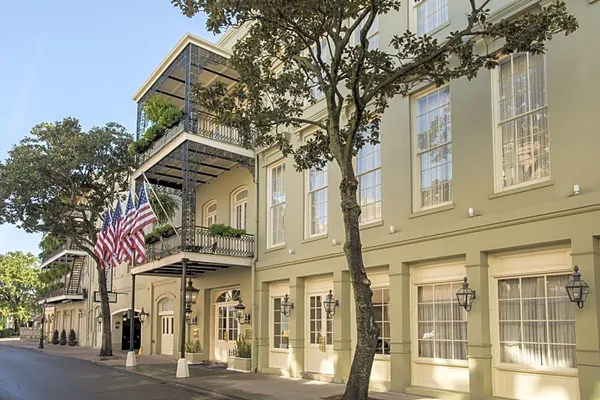
Bienville House
Why it matters1835 French Quarter industrial structure adapted over time into a boutique hotel.
Destinations
Trails
Theme
This page has documented history on two New Orleans hotels and not a single ghost story we can attribute to a source. That is an unusual thing for a haunted hotels page to admit, so let us be clear about what is going on: we are not short of legends. We are short of legends we can trace to anyone in particular.
The evidence we hold
Why it matters1835 French Quarter industrial structure adapted over time into a boutique hotel.
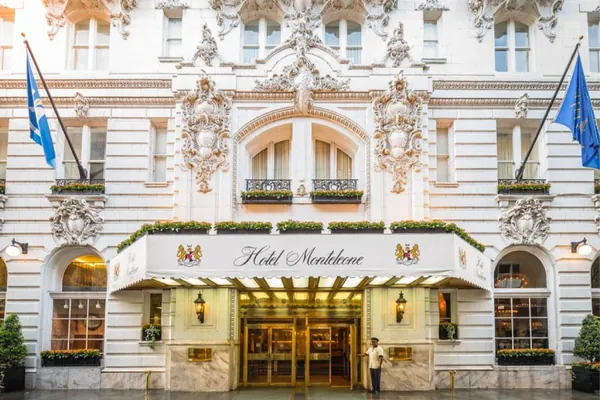
Why it mattersFamily-operated French Quarter hotel with documented literary and hospitality history since 1886.
A haunted hotels page normally works like this: collect the stories that circulate, retell them, attach booking links. The stories get more specific with every retelling, and nobody can say where any of them started.
Our standard is that a folklore claim needs the same thing a historical claim needs — a named source we can point you to. Not "guests report", not "legend has it", but a source. Once we have that, the story gets published under a Reported folklore heading, clearly separated from documented history, and phrased as what is reported rather than what is true.
We are not there yet for New Orleans. So here is what we can document.
A French Quarter hotel whose business was established in 1886 by Antonio Monteleone, through acquisition and expansion of an existing hotel property. It is Beaux-Arts, family-operated, and carries a National Literary Landmark designation documented by Historic Hotels of America. The historic grandfather clock remains in the lobby and the Carousel Bar is a signature historic feature. Its literary associations are documented; its ghosts are not.
An 1835 French Quarter structure built as the Planters Rice Mill, with later industrial uses before conversion to a hotel. Wrought-iron balconies and a courtyard characterise the property today. A building with nearly two centuries of changing use is a good candidate for stories. We have not sourced any.
Five New Orleans hotels with both a verified historic layer and folklore that can be attributed to a named source. We have two properties with the history and none with the attributed folklore. Anything we published today would be atmosphere, not information.
Evidence
Questions
We have no way to establish that, and neither does anyone else. What we can eventually tell you is which stories are told about a property, who tells them and where they were recorded. That is a real thing to know. "A ghost walks the third floor" is not.
Because the alternative is writing fiction and presenting it as research. Folklore is genuinely interesting and worth publishing — attributed, labelled, and kept out of the history section.
Not without verifying that a specific tour currently operates and what it actually includes. We have not done that work for New Orleans.
Next stop
5 verified historic properties, spanning 1835 to 1927.
3 verified historic properties, spanning 1835 to 1886.
The three-tier system behind every historic label on this site, the sources we accept, and what we do when the evidence runs out.
History you can trust.
Stays worth the night.
Every property we call historic carries a named source and a date it was checked. Where that evidence is missing, we say so.
A short, defensible selection beats a long list. Properties are chosen for historic evidence first, commercial availability last.
Why the building matters, what staying there is like now, and why the location earns a night of your trip.
Historic claims and current booking data come from different places, and we never let one stand in for the other.