

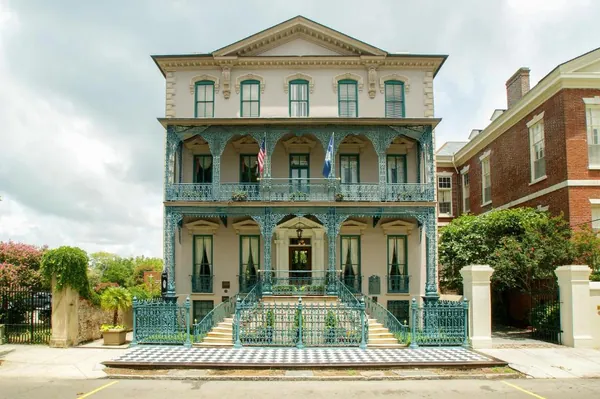
Verified Historic
John Rutledge House Inn
Why it matters1763 home of Constitution signer and South Carolina governor John Rutledge, now an inn.
Destinations
Trails
Destination
Charleston has the largest verified set on this site alongside Washington, DC: six properties, spanning 1763 to 1924. Four of the six were not hotels when they were built — two are King Street commercial buildings, two are private residences. This page is deliberately about buildings with their own documented history, which is a much shorter list than "hotels in the Historic District".
Quick picks
A 1763 private residence built for John Rutledge — the earliest construction date in our national set.
Opened in 1924 as a hotel, so its building history and hotel history are one and the same.
An 1886 Second Empire residence built for cotton merchant Francis Silas Rodgers.
An 1853 King Street building used over time for shops and other purposes.
Compare
| Hotel | Historic status | Chronology | Originally | Guest score |
|---|---|---|---|---|
| John Rutledge House Inn | Verified Historic | Built 1763 | Private residence built for John Rutledge | 9.4 (24) |
| Kings Courtyard Inn | Verified Historic | Built 1853 | Historic King Street building used over time for shops, residence and inn | 8.9 (133) |
| Mills House Charleston, Curio Collection by Hilton | Verified Historic | Hotel opened 1853 | Historic hotel | 8.8 (394) |
| Wentworth Mansion | Verified Historic | Built 1886 | Private residence of cotton merchant Francis Silas Rodgers | — |
| Fulton Lane Inn | Verified Historic | Built 1889 | Historic King Street commercial/institutional building later adapted as an inn | 8.9 (326) |
| Francis Marion Hotel | Verified Historic | Hotel opened 1924 | Purpose-built hotel | 8.4 (1,763) |
The John Rutledge House Inn is a 1763 private residence built for John Rutledge — the earliest construction date anywhere in our national verified set. It is a remarkable building. It is not a hotel that has been operating since 1763, and we would not describe it that way.
Two of these are worth comparing directly. Wentworth Mansion gives you a merchant's private house; the Francis Marion gives you a real 1920s city hotel. Both are verified, and the choice between them is about what kind of building you want to wake up in rather than which is more historic.
If your priority is being inside the Historic District rather than inside a historic building, that is a different question — and one we handle on a separate district page.
The properties
Every card shows the historic tier, what the building originally was, and the source behind it.
Why it matters1763 home of Constitution signer and South Carolina governor John Rutledge, now an inn.
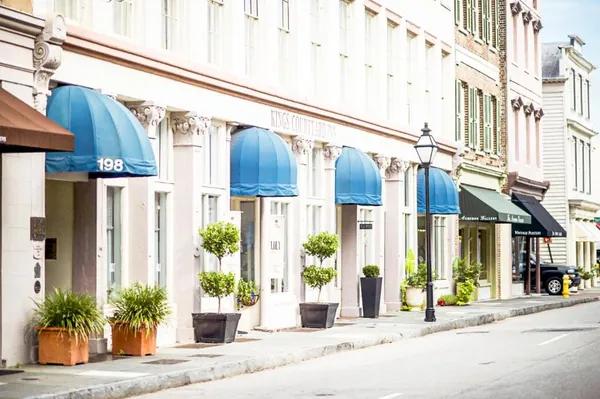
Why it mattersOne of King Street's older surviving historic buildings, dating to 1853.
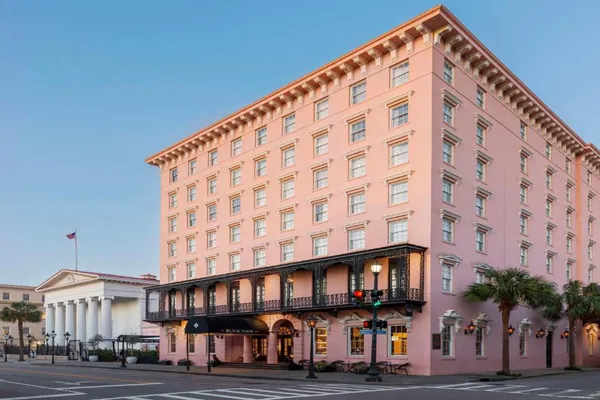
Why it mattersCharleston hotel landmark with history dating to 1853.
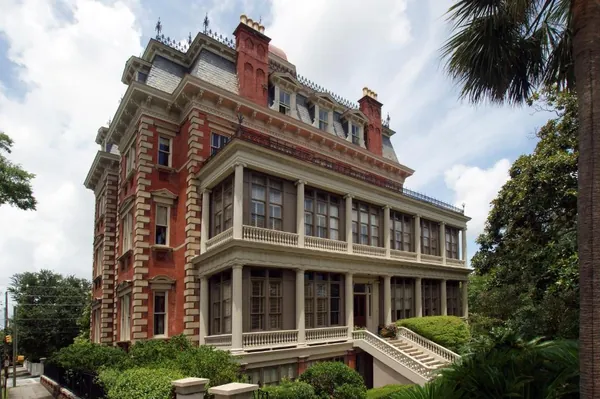
Why it mattersGilded Age private mansion completed in 1886 and adapted as a hotel.
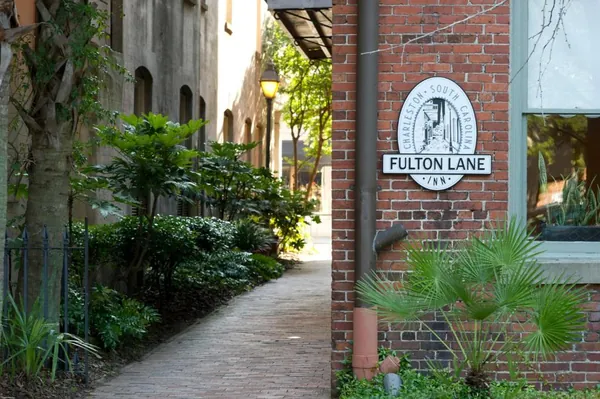
Why it mattersHistoric Hotels of America property on King Street dating to the late 19th century.
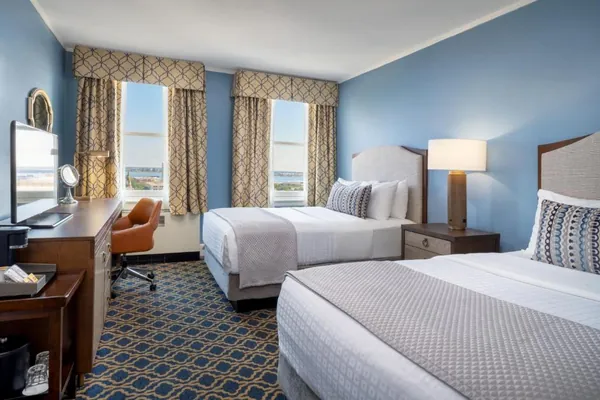
Why it mattersOpened in 1924 and named for Revolutionary War figure Francis Marion.
Where they are
Evidence
Questions
The oldest building is the John Rutledge House Inn, built in 1763 as a private residence. The oldest properties with a documented hotel tradition are Mills House and Kings Courtyard Inn, both from 1853. "Oldest hotel" and "oldest building" are not the same claim and we keep them apart.
No. The Historic District is a place; a historic hotel is a building with documented history. Plenty of well-rated District hotels are modern. All six properties on this page qualify on the building itself.
The Francis Marion, purpose-built and opened in 1924, and Mills House, which has a documented hotel history from 1853. The other four began as residences or as King Street commercial buildings.
Next stop
6 verified historic properties, spanning 1763 to 1924.
4 verified historic properties, spanning 1817 to 1912.
10 verified historic and 3 documented heritage properties, spanning 1763 to 1930.
History you can trust.
Stays worth the night.
Every property we call historic carries a named source and a date it was checked. Where that evidence is missing, we say so.
A short, defensible selection beats a long list. Properties are chosen for historic evidence first, commercial availability last.
Why the building matters, what staying there is like now, and why the location earns a night of your trip.
Historic claims and current booking data come from different places, and we never let one stand in for the other.